Coney Hall rubbish removal real cost guide
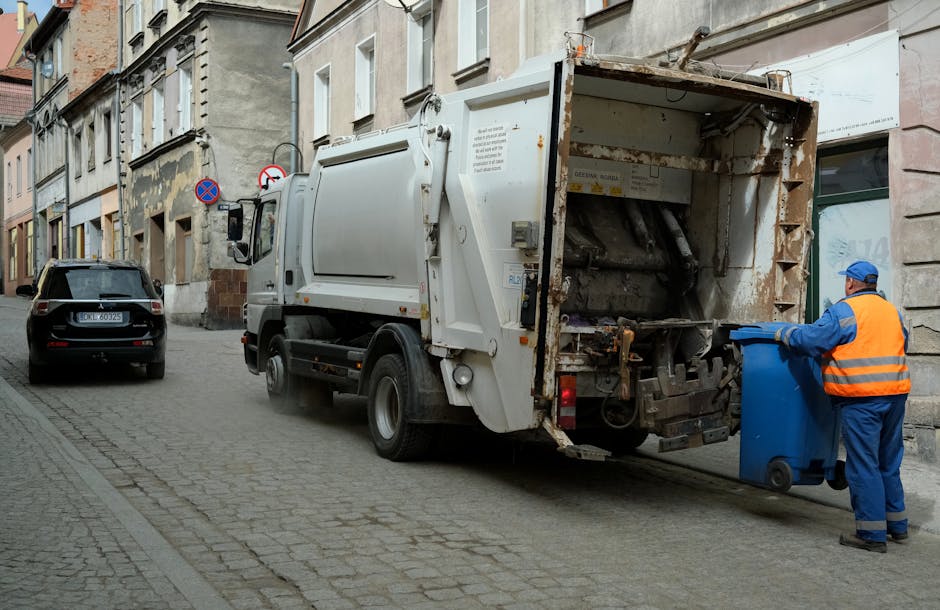
If you are trying to work out what rubbish removal should actually cost in Coney Hall, you are not alone. Most people start with a simple question: how much is this going to set me back, really? The honest answer is that the final price depends on what you are throwing away, how much there is, how easy it is to collect, and whether the waste needs special handling. This Coney Hall rubbish removal real cost guide breaks it all down in plain English, so you can compare options, avoid nasty surprises, and choose the right service with confidence.
Whether you are clearing a cramped garage, dealing with a garden overhaul after a wet weekend, or shifting leftover builders' waste after a renovation, the cost can move around more than people expect. Let's face it, waste is rarely just "waste". A pile of mixed rubble, a few broken wardrobes, and some old plasterboard do not all get priced the same way. Below, you will find the practical factors that shape the price, the common traps to avoid, and the clearest ways to keep the job under control.
Why Coney Hall rubbish removal real cost guide Matters
Waste removal looks straightforward until you start pricing it properly. One company may quote based on load size, another on labour time, and another on what type of waste is involved. If you only compare the headline figure, you can miss extras such as access issues, waiting time, disposal charges, or special handling fees. That is where a real cost guide helps. It gives you a better picture of the full job, not just the number on the first call.
In Coney Hall, that matters because homes and access routes vary quite a bit. A tidy driveway job is one thing. A narrow front path, a busy street, or a loft clearance with several flights of stairs is another. The difference may only be ten minutes on paper, but in pricing terms it can be meaningful. And if you are trying to keep to a budget after a move, refurb, or garden project, that extra clarity is worth its weight in bricks.
There is also the simple matter of avoiding false economy. A cheap quote that excludes disposal or overfill fees can end up costing more than a slightly higher, all-in price. Truth be told, that catches a lot of people out. A realistic guide gives you room to compare properly, which is always better than guessing.
If you are already comparing options, it can help to look at broader waste services too, such as rubbish removal, domestic skip hire, or even grab hire services if the waste pile is large or access is awkward.
How Coney Hall rubbish removal real cost guide Works
Most rubbish removal pricing is built from a few core ingredients. Think of it as a sum of small decisions rather than one fixed price. The provider needs to know what the waste is, how much of it there is, where it is located, and how quickly it needs moving. Once those pieces are clear, the quote becomes much more reliable.
Here is the basic pattern:
- Waste type is identified. Mixed household waste, garden waste, builders' rubble, furniture, appliances, and hazardous items are often treated differently.
- Volume is estimated. Some jobs are priced by van load, others by skip size, and some by weight or load fraction.
- Access is checked. Easy roadside access costs less than carrying bags down narrow stairs or around a blocked rear alley.
- Labour is assessed. A two-person team lifting heavy items will usually cost more than a quick drop-and-go collection.
- Disposal route is chosen. Recyclable loads, reusable items, and specialist waste all affect the final charge.
For many customers, the choice sits between a traditional skip, a same-day collection, or a more flexible wait-and-load arrangement. If you want to understand the practical differences, the pages on skip hire and wait and load skip hire can be useful starting points. The right option depends on how long you need, how much you have, and whether parking is simple or a bit of a pain.
One small detail people often miss: removal crews usually need the waste to be accessible and clearly separated. A neat pile is quicker, safer, and often cheaper to move. A mixed heap with sharp bits, broken glass, and heavy plasterboard hidden underneath? That is where time and risk creep in.
Key Benefits and Practical Advantages
The point of a good pricing guide is not just to save money. It is also to help you make a cleaner decision, avoid delays, and reduce stress on the day. Here are the main advantages.
- Better budget control: You can see where the cost comes from, rather than taking a blind guess.
- Fewer surprise charges: Knowing about access, labour, and special waste early helps prevent awkward add-ons later.
- Faster booking decisions: Once you understand the likely price band, choosing a service becomes much easier.
- Less over-ordering: You avoid paying for far more capacity than you actually need.
- Safer waste handling: Recognising hazardous or restricted waste before collection avoids compliance headaches.
There is also a practical comfort in having the job done properly. If you have ever spent a Saturday moving broken shelving, old carpet, and bags of random clutter in and out of a tiny hallway, you will know how quickly a simple job turns into a small domestic marathon. No drama, but still. A well-planned removal service cuts that right down.
And if your rubbish is only part of a bigger project, it can make sense to pair waste removal with related services such as garage and loft clearance, house clearance, or garden waste removal for a more efficient overall clear-out.
Who This Is For and When It Makes Sense
This guide is useful for a wide range of people, not just homeowners with a full-scale renovation. In fact, some of the best cost savings come from smaller jobs where the pricing can be surprisingly variable.
- Homeowners clearing old furniture, loft junk, or renovation debris
- Landlords managing end-of-tenancy clearances
- Builders and tradespeople needing regular builder's waste collection
- Businesses disposing of office furniture, files, or fixtures
- People downsizing or handling a bereavement clearance
- Garden project customers who need bulky green waste removed quickly
It also makes sense when you are weighing up whether to hire a skip, book a collection, or use grab lorry access. For example, if you are in a street where parking is limited and you cannot keep a skip outside all day, a collection service might be more practical. On the other hand, if you are doing work over a few days and can load steadily, a skip may work out better.
For building work, it is worth comparing options like builders waste removal, builders skip hire, and construction waste disposal. The differences are not just semantic; they affect how quickly the waste leaves your site and how the cost is structured.
Step-by-Step Guidance
If you want a realistic cost, do not start with a vague description like "a bit of rubbish". Start with the actual job. That alone can save time and money.
- Sort the waste into broad groups. Keep household waste, garden waste, rubble, timber, metal, and special items separate where possible.
- Estimate the amount. Think in bin bags, room loads, or van loads. If you are using skip-related pricing, check the sizes on skip sizes and prices.
- Note anything awkward. Stairs, narrow gates, long carry distances, or no parking nearby can all affect the quote.
- Flag bulky or specialist items. Fridges, mattresses, sofas, plasterboard, and electrical items often need specific handling.
- Ask whether loading is included. Some services collect from the kerb only, while others do all the lifting.
- Check permit needs. If a skip must go on the road, a permit may be required. The relevant guidance is on skip hire permits and skip permits.
- Confirm disposal conditions. Ask what is excluded, especially if you have paint, chemicals, batteries, gas bottles, or other restricted materials.
- Get a written quote. A proper quote should state what is included, what is not, and whether VAT or extra labour applies.
A small but important tip: take photos before you book. A couple of clear pictures usually do a better job than a long explanation. You know, one photo from the doorway and another from above can be enough to give a useful estimate. Not glamorous, but effective.
Expert Tips for Better Results
If you want the fairest price, a few habits make a real difference. These are the little things that tend to separate a smooth booking from a messy one.
- Separate reusable items early. Furniture that could be donated or sold should not be buried under mixed rubbish.
- Flatten what you can. Cardboard, dismantled furniture, and bagged soft waste take up less room when prepared properly.
- Keep heavy inert waste apart. Bricks, soil, and rubble can change the pricing model quickly.
- Be honest about the load. Understating the amount may lead to a re-quote or a surcharge.
- Book at the right time. If you can avoid urgent same-day pressure, you may have more flexible options.
When a job is borderline between services, compare more than one route. For example, a cluttered room full of mixed items might suit man and van collection. A larger, heavier job with access to a drive may fit better with grab lorry hire. And if you simply need speed, there is always same day skip hire.
Also, do not ignore recycling. A provider with a clear focus on recycling and sustainability may not always be the lowest headline quote, but the value can be better once you factor in responsible handling and fewer compliance worries. That matters more than people think.
Common Mistakes to Avoid
The most expensive rubbish removal jobs are often expensive because of avoidable mistakes. Here are the big ones.
- Assuming every waste type is priced the same. It is not. Mixed waste, soil, rubble, and appliances are usually treated differently.
- Forgetting about access. A job that looks small can become labour-heavy if access is tight.
- Ignoring restricted waste. Items such as fridges, paints, and certain chemicals may need a specialist route.
- Not checking permit needs. A road-based skip without the right paperwork can become a costly problem.
- Using vague descriptions. "A bit of old stuff" is not enough for a reliable quote.
- Choosing only on price. The cheapest option can be the one that charges extra for every small complication.
There is a common trap with overfilling too. If you are using a skip, the load must stay within safe fill levels and the provider's rules. If you are unsure what can go where, the page on what can go in a skip is a sensible reference point before you start stacking.
Another one? Leaving everything until the last minute. That usually leads to a rushed booking, and rushed bookings are rarely the cheapest. Funny how that works.
Tools, Resources and Recommendations
You do not need fancy kit to estimate rubbish removal costs, just a little structure. A phone camera, a tape measure, and a simple room-by-room list will do most of the heavy lifting.
- Camera photos: Good for showing volume, item types, and access points.
- Basic measurements: Useful if you are comparing skip capacity or planning a clearance.
- Room or area list: Helps break a project into manageable sections.
- Item checklist: Prevents you from forgetting awkward pieces like sofas, appliances, or broken wardrobes.
- Quote comparison: Compare what is included, not just the price figure.
Useful related pages can help you narrow the job type more accurately. For example, if you are clearing a workspace, see office clearance. If the waste is from a renovation, construction waste clearance may be more appropriate. For business waste, commercial skip hire can be the better fit.
For sensitive or unusual items, do not guess. Confidential shredding, fridge and appliance removal, and mattress and sofa disposal all exist for a reason. A calm, specialised approach usually ends up being simpler and cleaner.
Law, Compliance, Standards, or Best Practice
Waste removal is not just about convenience. In the UK, it also sits inside a framework of sensible best practice and legal responsibility. You do not need to memorise legislation to get the basics right, but you do need to be careful about what is being removed and who is handling it.
As a rule of thumb, use a provider that is clear about safe handling, responsible transport, and lawful disposal routes. If you are a business, that becomes even more important because your duty of care can extend beyond simply hiring a vehicle. For householders, the same common-sense principle applies: never hand over unknown or hazardous materials without checking whether they need specialist treatment.
That is where services like hazardous waste disposal and health and safety policy pages matter. They show that safety is not an afterthought. Similarly, a clear insurance and safety approach is reassuring if your waste is heavy, awkward, or in a tight access area.
Best practice also includes being honest about restricted waste, keeping loads stable, and allowing enough time for safe collection. Not exciting, admittedly. But it keeps everyone out of trouble, which is the whole point.
Options, Methods, or Comparison Table
Choosing the right waste removal method can make a noticeable difference to cost and convenience. Here is a simple comparison to help you think it through.
| Method | Best for | Cost style | Main advantage | Possible drawback |
|---|---|---|---|---|
| Rubbish removal | Mixed household or bulky waste | Usually based on load, labour, or collection type | Fast and hands-off | Can cost more for heavy lifting |
| Skip hire | Ongoing projects and self-loading | Based on skip size and hire period | Good for staged clear-outs | May require space or a permit |
| Wait and load | Short jobs with no long parking option | Based on collection time and volume | No need to keep a skip onsite | Needs the waste ready quickly |
| Grab hire | Large, heavy, or awkwardly placed waste | Usually based on load size and access | Good reach and quick loading | Needs space for vehicle access |
There is no single "best" option. The right choice depends on your waste type, your schedule, and the layout of your property. A tight cul-de-sac might favour one method; a driveway renovation might favour another. If you are unsure, start with the layout, not the price.
For roads, permits, and container placement, the pages on skip hire permits and skip permits can help you think through the practical side before you book.
Case Study or Real-World Example
Here is a realistic example. A homeowner in Coney Hall clears out a garage after years of building up old shelving, broken suitcases, a few bags of mixed household waste, and some leftover timber from a small DIY job. At first glance, it feels like a simple one-load job. But once the items are sorted, there is more mixed waste than expected, a few heavy pieces, and not much room to manoeuvre at the front of the property.
If the customer had gone straight for the cheapest possible collection, they might have ended up with a cramped time window, extra labour charges, or the wrong vehicle size. Instead, they take photos, separate the timber, and check whether the broken items can be dismantled. The final booking is easier to price, the crew spends less time on site, and the whole job feels less chaotic. Not magic. Just a bit of planning.
In another common scenario, a small business needs old desks, office chairs, and archive boxes removed before a refit. In that case, office clearance and confidential shredding may need to be handled together. That can be more cost-effective than treating everything as general rubbish, and it keeps the sensitive materials separate from standard waste.
The lesson is simple: accurate description almost always improves the quote. Sometimes a lot.
Practical Checklist
Use this checklist before you book. It will save time and make the pricing conversation much smoother.
- Have you identified the main waste types?
- Do you know roughly how much there is?
- Have you checked whether any items are restricted or hazardous?
- Is access straightforward for a vehicle or loading crew?
- Do you need a permit for roadside placement?
- Will you need help lifting heavy items?
- Have you asked whether the quote includes disposal and labour?
- Are you comparing skip hire, collection, and grab hire options?
- Have you taken clear photos for an accurate estimate?
- Do you know the ideal timing for collection?
If your project is more specialised, you may also want to check related pages such as site clearance, muck away services, or construction waste disposal. That keeps the solution aligned with the job, which is where the best value usually sits.
Conclusion
The real cost of rubbish removal in Coney Hall is not just about lifting waste into a truck. It is about waste type, volume, access, labour, disposal method, and timing. Once you look at the job properly, the numbers become much easier to understand. That is really the whole point of this guide: helping you compare like with like, avoid hidden extras, and choose the service that fits your property and your budget.
If you are planning a clear-out, start by sorting the waste, taking a few photos, and deciding whether you need a skip, a collection, or something more flexible. A few minutes of preparation can save you a fair bit of money and a lot of faff. And honestly, that is a win worth having.
Get a free quote today and see how much you can save.
When the job is handled well, the clutter disappears, the space opens up, and the whole house feels lighter. That feeling is hard to price, but you notice it straight away.
Frequently Asked Questions
How much does rubbish removal usually cost in Coney Hall?
The cost depends on waste type, volume, access, and whether labour or specialist disposal is needed. A small, easy collection will usually cost less than a heavy or awkward clearance.
Is rubbish removal cheaper than hiring a skip?
Sometimes, yes. If you want the waste taken away quickly and you do not have space for a skip, collection can be better value. For longer jobs where you load gradually, a skip may be more economical.
What makes a rubbish removal quote go up?
Common price drivers include bulky items, stairs, long carry distances, mixed waste, hazardous materials, and urgent booking requests. Access is a big one, more than people expect.
Do I need a permit for a skip in Coney Hall?
You may need a permit if the skip is placed on a public road. If it stays entirely on private land, a permit may not be needed. Always confirm before booking.
Can I put garden waste in a rubbish removal load?
Yes, garden waste is often accepted, but it may be priced differently from mixed household waste. Keep it separate if possible, as that can improve the quote.
Are fridges and mattresses more expensive to remove?
They can be, because they often need specific handling or disposal routes. The relevant pages for fridge and appliance removal and mattress and sofa disposal are useful if those items are part of your load.
What is the difference between wait and load and rubbish removal?
Wait and load usually means a vehicle arrives, waits while you load the waste, and leaves. Rubbish removal is more flexible if you want the crew to handle the lifting. The better option depends on access and how much help you need.
How do I know if my waste is hazardous?
If it includes chemicals, paint, asbestos suspicion, batteries, gas cylinders, or anything that could pose a safety risk, treat it carefully and check specialist disposal. Do not mix it with general rubbish.
Can I get same-day rubbish removal?
Often yes, if capacity is available. Same-day collection can be handy for urgent clearances, though the price may reflect the speed and availability.
What is the best way to prepare for a rubbish collection?
Sort the waste, make it accessible, separate special items, and take photos for the quote. If the crew can see what they are dealing with, everything tends to run more smoothly.
Do businesses need different waste arrangements from homeowners?
Yes, business waste can require more structured handling, especially for office items, building waste, or confidential materials. Services like commercial skip hire, office clearance, and confidential shredding can be more appropriate than standard household collection.
Where can I learn more before booking?
The most helpful pages are pricing and quotes, skip sizes and prices, and recycling and sustainability. They give you a better feel for what is included and how the service is structured.